AI-assisted workflows
Drafting, classifying, routing and reviewing information, so the repetitive steps happen before a person looks and the judgement calls still reach one.
There's a difference between experimenting with AI and putting it to work. We build intelligent features, assistants and workflows around real business processes, integrating them with the systems and information your team already uses.
We look for repetitive steps, fragmented information and decisions that take too long. Then we identify what can be automated, what needs human judgement and where conventional software may be the better tool.
Drafting, classifying, routing and reviewing information, so the repetitive steps happen before a person looks and the judgement calls still reach one.
Answers grounded in your approved documents and data, with the source shown, rather than a model guessing from the open internet.
Intelligent search, recommendations and natural-language interfaces built into the product your customers already use.
Tool-using agents with explicit permissions, limits, monitoring and approvals, connected to the systems that hold the real records.
Good AI needs boundaries. We consider access, data protection, traceability, evaluation and human review from the beginning, with safeguards appropriate to each use case.
Cassia, our personal finance product, brings AI-assisted guidance together with reliable financial calculations and clear user controls. It's an example of how AI can make a product more useful without putting accuracy or trust at risk.
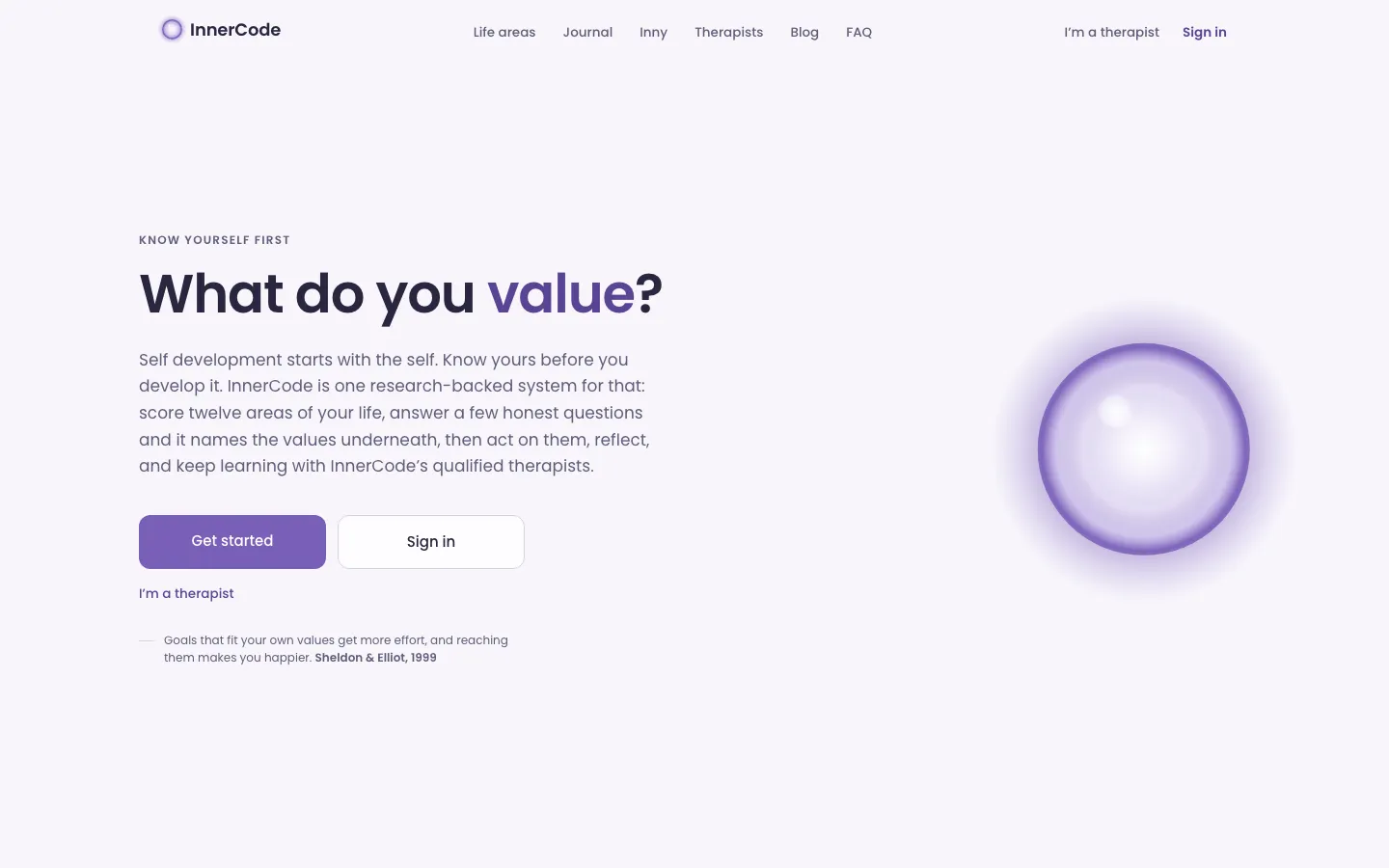
A personal development app combining practical coaching, guided reflection and AI-assisted support.
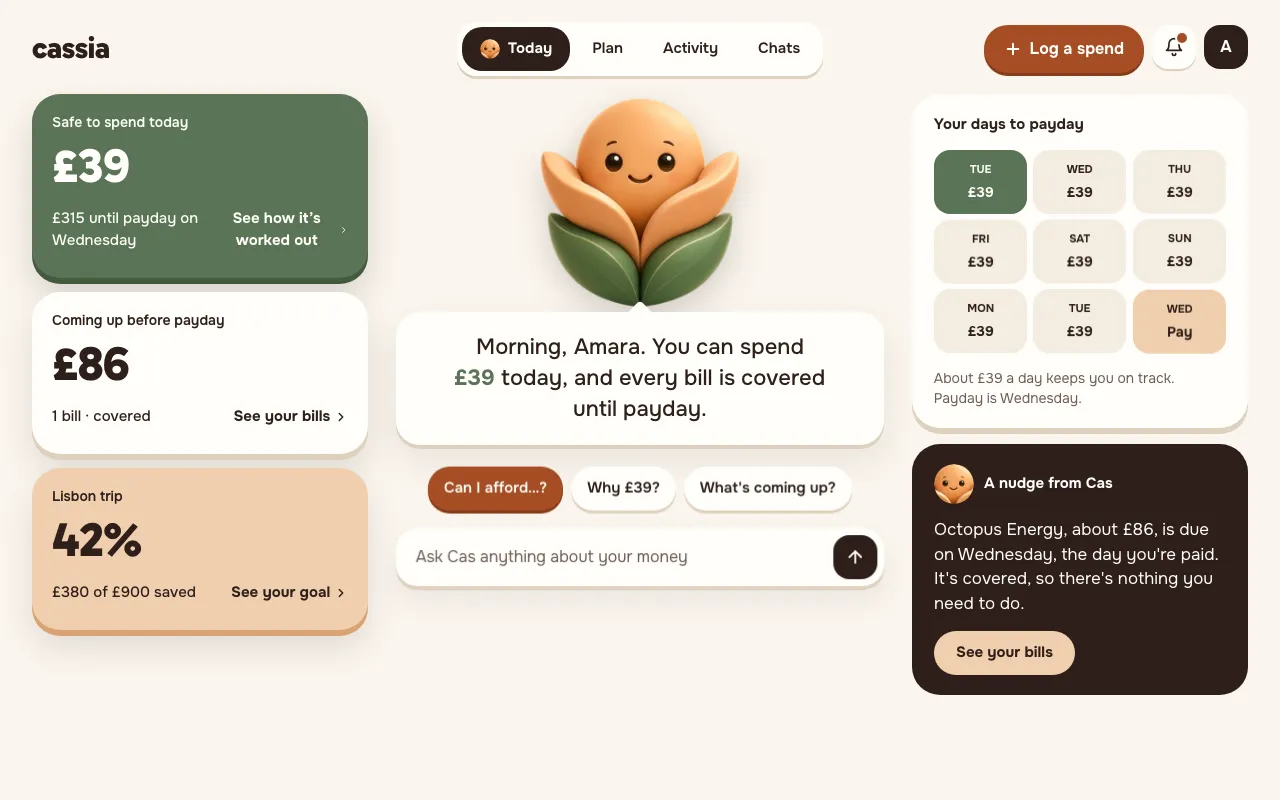
A personal finance app bringing budgeting, financial planning and AI-assisted guidance together.
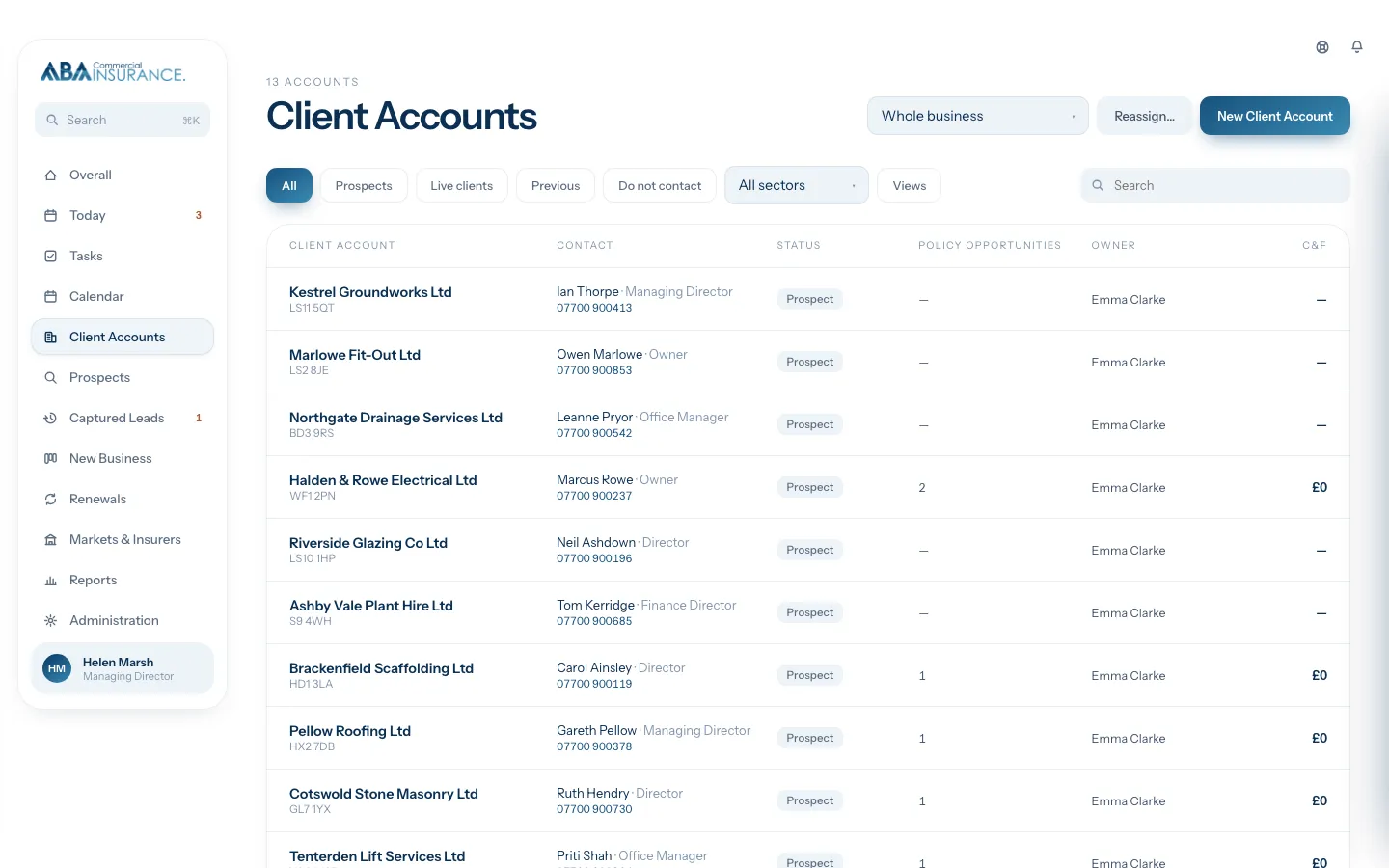
A bespoke CRM built around the way an insurance brokerage actually sells.
With the work, not the technology. We look for the repetitive steps, the information that lives in too many places and the decisions that take too long. One of those is usually a good first project: small enough to deliver in weeks, useful enough that people will notice. We will also tell you when the better answer is ordinary software, or a change to the process itself.
Usually, yes. Most of the value comes from connecting AI to the tools, records and workflows you already have: your CRM, your inbox, your documents, your line-of-business system. We build the integrations, the permissions and the audit trail around the model, so it works with your data rather than a copy of it.
A successful AI project involves more than choosing a model. The quality of the underlying data, integration with existing systems, appropriate safeguards and a usable interface all contribute to whether it delivers value.
Not under the arrangements we set up. Which provider processes your data, where, and under what terms depends on the architecture we choose together, and we document it for each project. We do not make blanket promises that data never leaves your business, because for most cloud AI services that would not be true.
Tell us what you're trying to achieve and we'll help work out the next step.