CRM and operational systems
Pipelines, renewals, cases, jobs, stock: the system your business runs on, shaped to your process rather than a template, with clear records of activity and changes.
When off-the-shelf tools mean workarounds, duplicated effort and another spreadsheet, it's time for something better. We design and build bespoke systems that reflect how your team actually works.
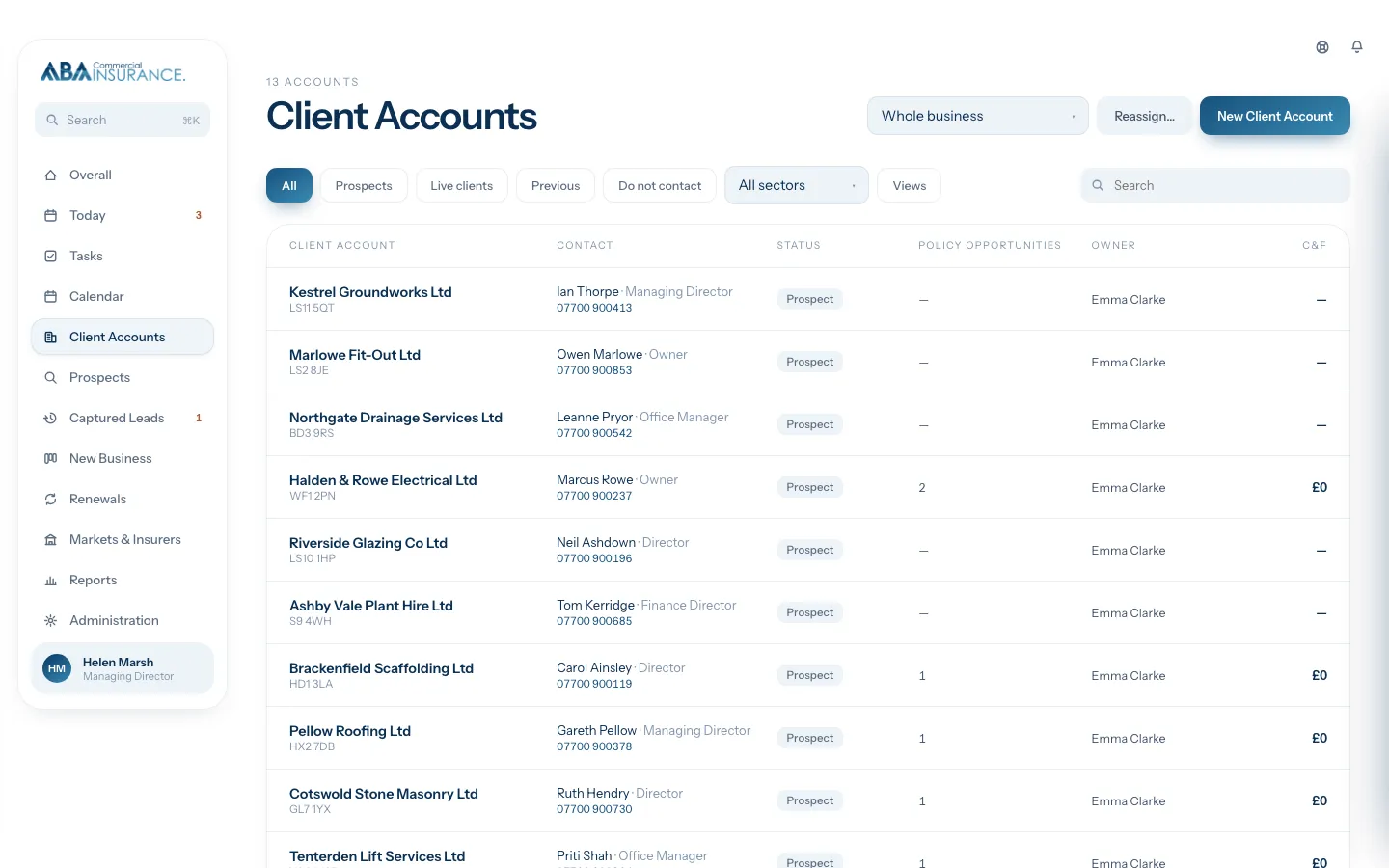
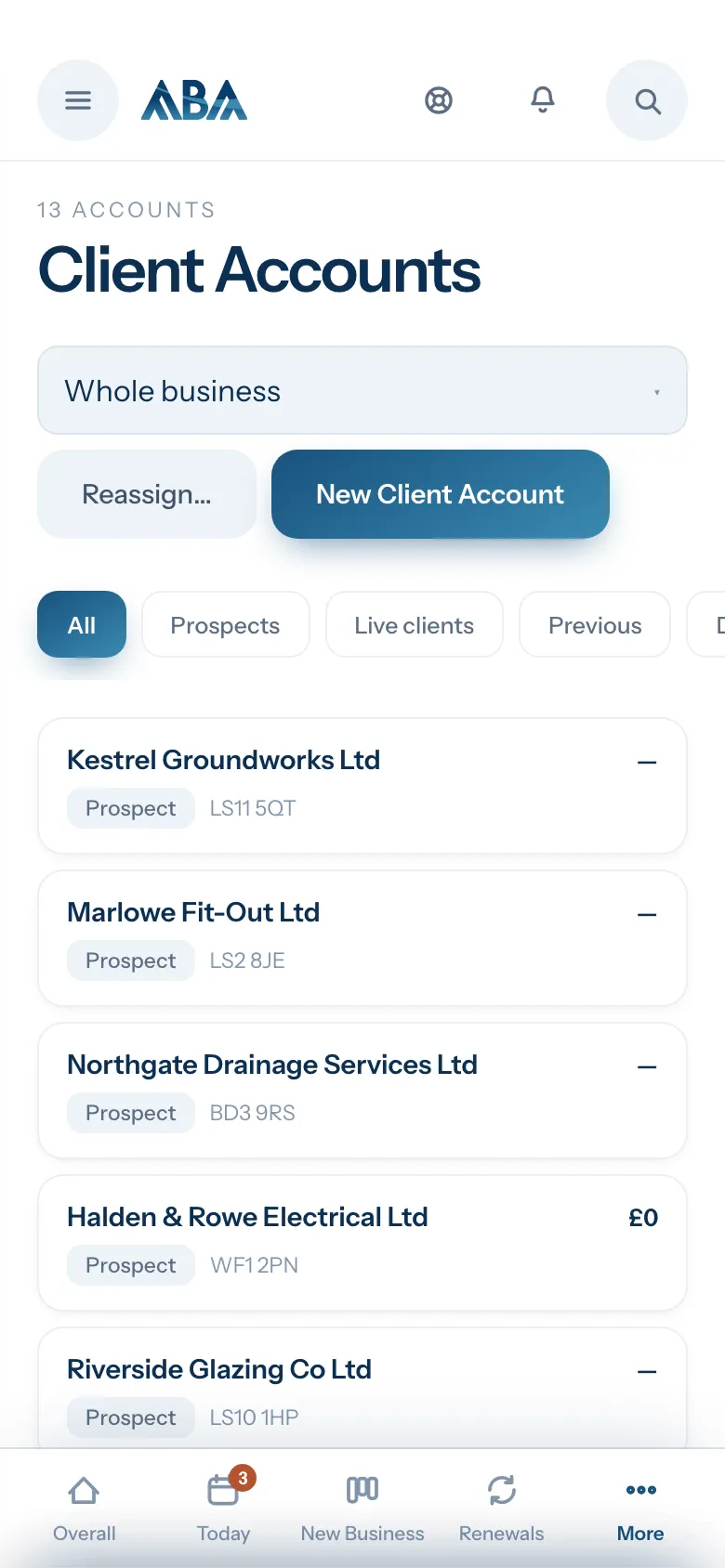
CRMs, internal applications, customer portals, reporting tools, APIs and integrations. We bring the moving parts together in software that's clear to use, reliable to run and ready to evolve.
Pipelines, renewals, cases, jobs, stock: the system your business runs on, shaped to your process rather than a template, with clear records of activity and changes.
Secure places for customers, partners or staff to see their own information and get things done, on any device, without ringing you.
The accounts package, the inbox, the supplier feed, the website. We connect what you already have so information flows between systems without unnecessary duplication.
Figures the directors can trust, available when they want them, with the definitions written down so two people never get two answers.
Business-critical software needs to be reliable, secure and straightforward to maintain. We consider everything from access controls and data protection to hosting, monitoring and ongoing support.
The result is software your business can depend on, with the flexibility to grow and change alongside it.
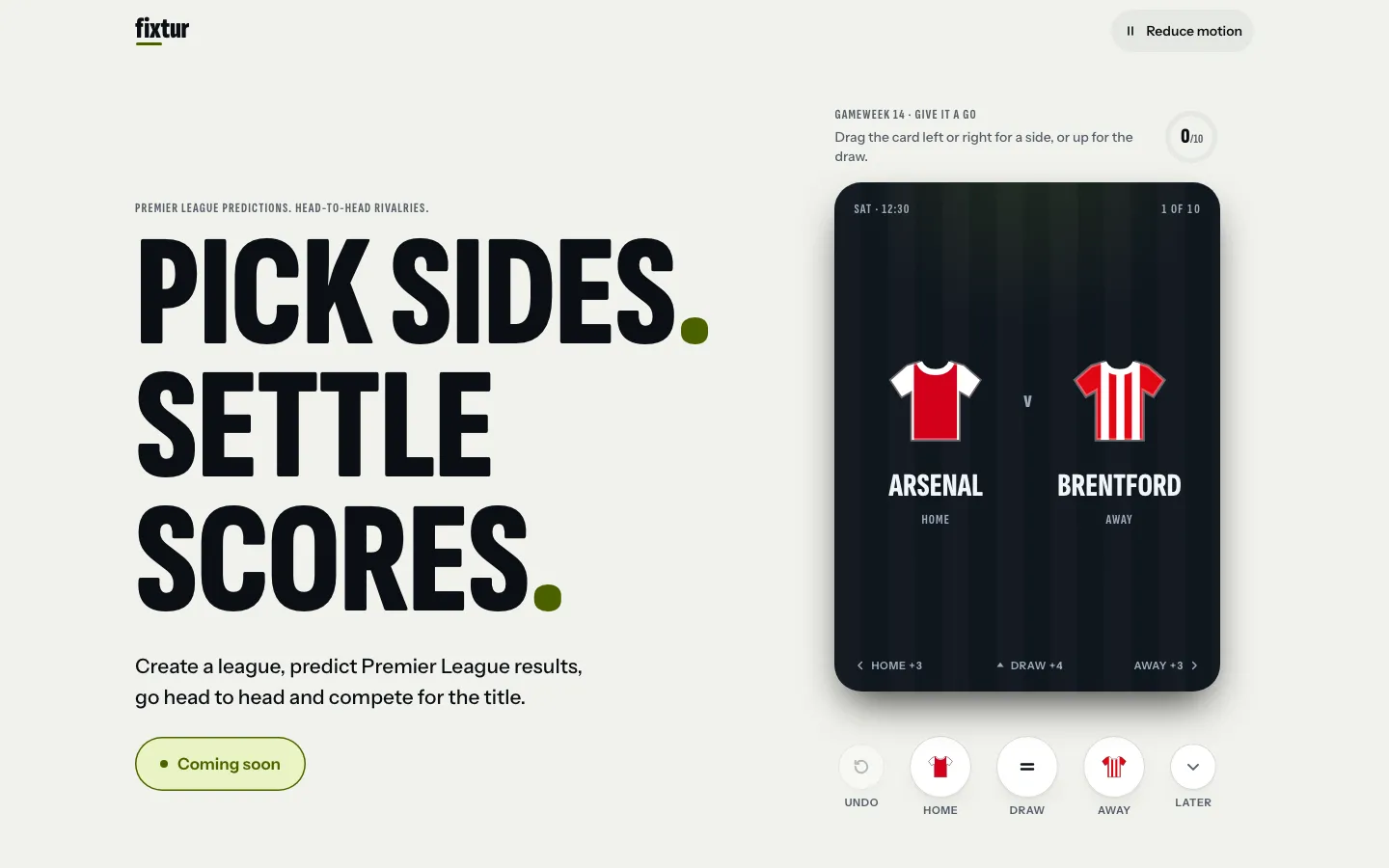
A social football prediction game where friends compete through private leagues, head-to-head fixtures and cup competitions.
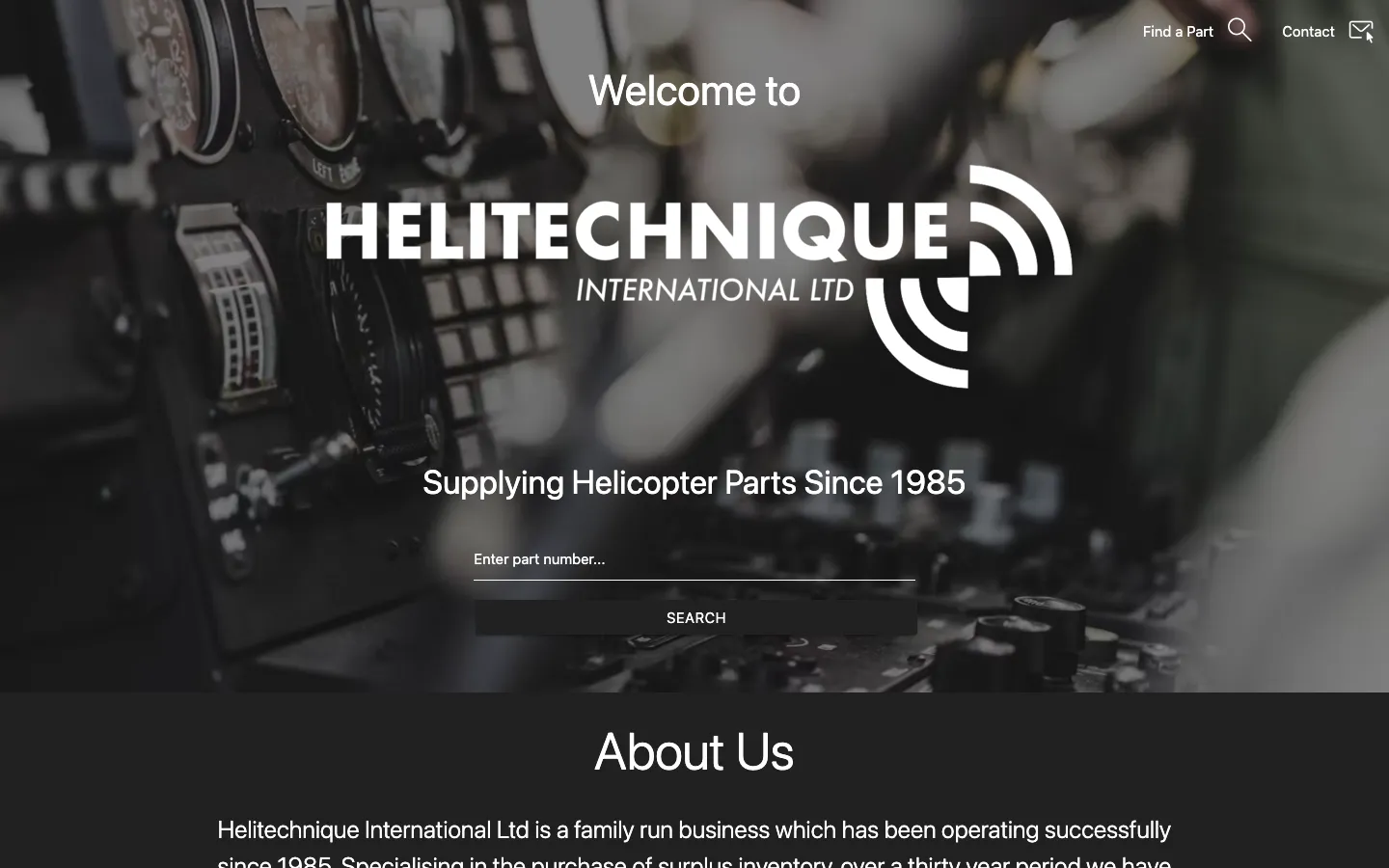
A digital platform connecting a searchable aviation parts catalogue with the systems that run the business.
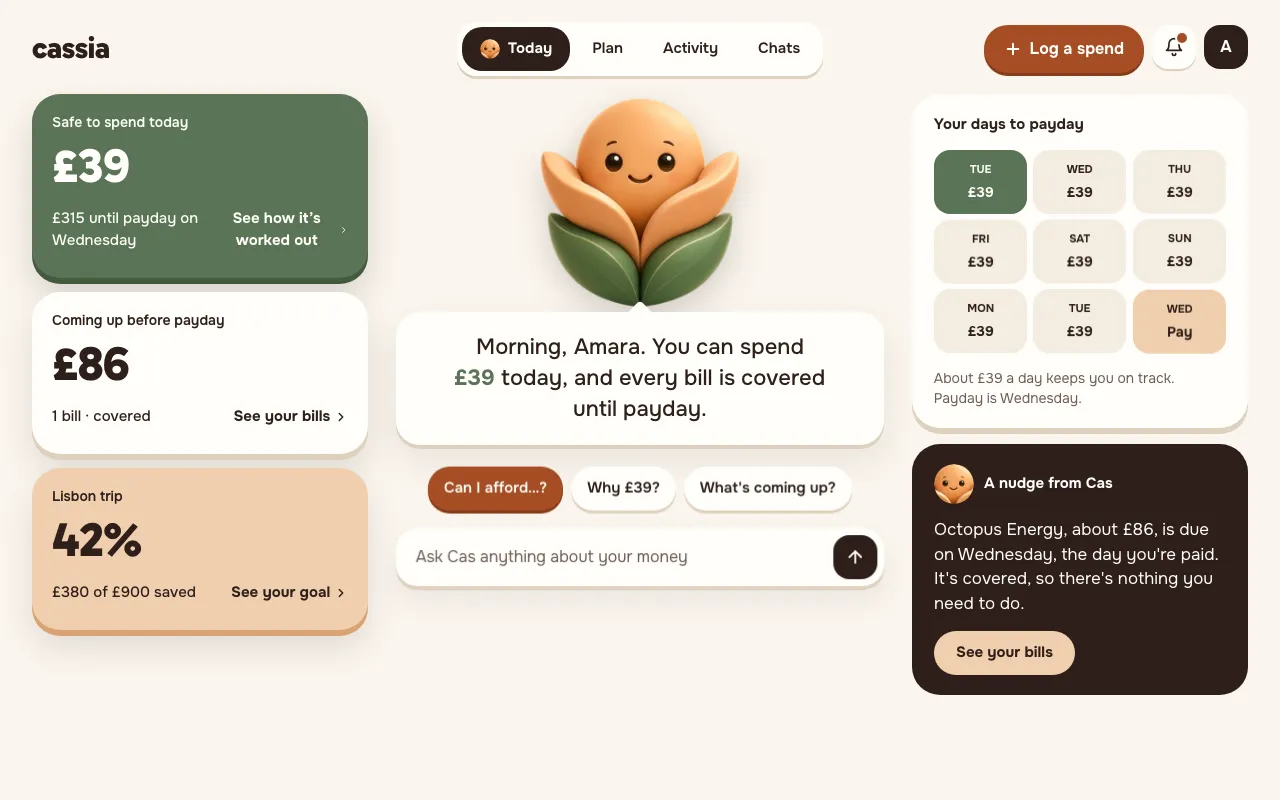
A personal finance app bringing budgeting, financial planning and AI-assisted guidance together.
A subscription tool is built for a market: it does what most businesses in your category need, and you adapt to it. Bespoke software is built for a process: it does what your business does, in the order your team does it, with your words on the screen. The honest trade is cost and time at the start against years of workarounds. Our rule of thumb: buy the generic parts, build the part that makes you different, and connect the two.
Usually not, and usually you should not. The best projects leave the accounts package, the email and the tools people like exactly where they are, and build the missing piece between them. Replacing something is a last resort, taken when the old system is the problem rather than the gap.
It comes across, cleaned. We map every field, decide what is worth keeping, run the migration against a copy until it is right, and only then switch over. The team keeps working on the old system until the new one is proven, and there is always a way back on the day.
Ownership of the code, the data and the accounts it runs under is set out in the project agreement; our standard position is that they are yours. We can host and support the system for you, or hand it to your own team with the documentation to run it.
Tell us what you're trying to achieve and we'll help work out the next step.